Asian weddings encompass a wide range of cultural, religious, and regional traditions. These celebrations are often characterised by multiple ceremonies, large guest numbers, and a strong emphasis on family and community involvement. As a result, the type of venue chosen plays a significant role in how successfully these events are delivered.
Across England, Asian wedding venues vary considerably in style, size, and setting. Different venue types suit different traditions, guest requirements, and practical considerations.
Banqueting Halls and Purpose Built Venues
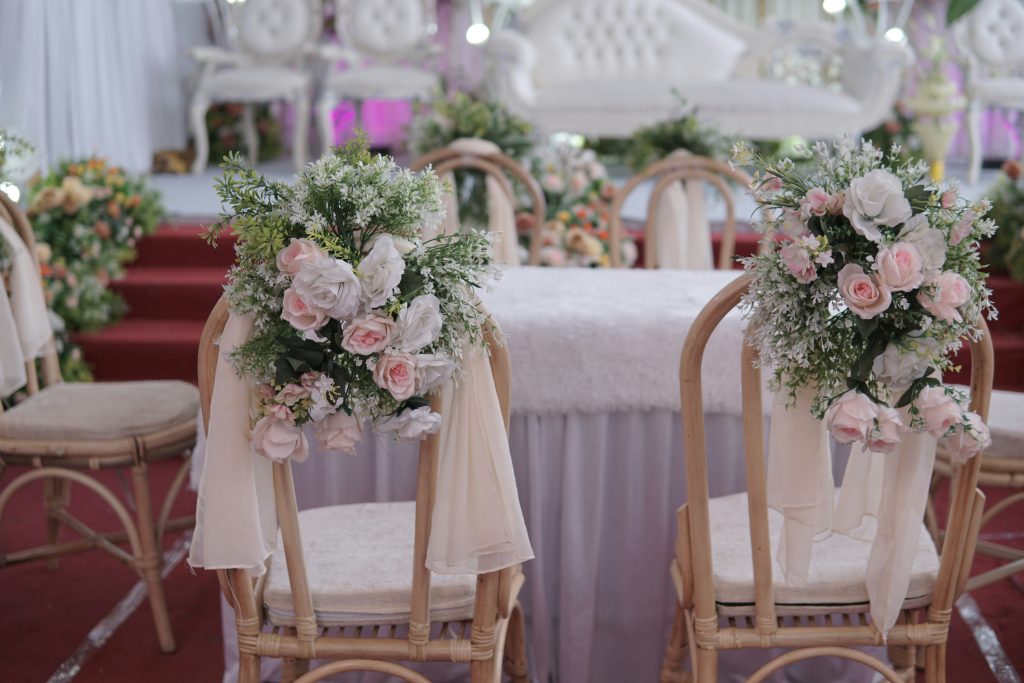
Banqueting halls are among the most commonly used venues for Asian weddings. These spaces are designed to accommodate large guest numbers and extended celebrations, often running late into the evening. High ceilings, open floor plans, and built-in staging areas make them suitable for ceremonies, dining, and entertainment within a single space.
Purpose built venues often have experience hosting Asian weddings and may be familiar with requirements such as ceremonial stages, specific seating arrangements, and external catering. Their layout typically allows for efficient guest flow and flexible décor setups.
Hotels and Conference Centres
Hotels and conference centres are another popular choice, particularly for weddings that span multiple days. These venues offer the advantage of on-site accommodation, which is beneficial when guests are travelling from different parts of the country or overseas.
Large hotels often provide multiple function rooms, allowing different events to take place separately, such as pre-wedding ceremonies, receptions, and private family gatherings. Accessibility, parking, and professional event management are additional factors that make hotels a practical option.
Country Houses and Estates
Country houses and estates are increasingly used for Asian weddings, particularly those seeking a more scenic or traditional English setting. These venues often provide expansive grounds, historic architecture, and a sense of occasion.
While visually appealing, country estates may require additional planning to ensure they can accommodate cultural requirements. This can include permission for extended event hours, flexibility around catering, and space for large guest lists. When suitable, they offer a distinctive backdrop that blends cultural traditions with a rural setting.
Religious and Community Centres
For ceremonies with a strong religious focus, temples, mosques, gurdwaras, and community centres are often central to the wedding. These venues are used for specific rituals and may be followed by a separate reception at another location.
Community centres can also serve as reception venues, particularly for weddings rooted in local communities. They are often familiar with cultural practices and can provide a more informal setting compared with commercial venues.
Marquees and Temporary Structures
Marquees offer a flexible alternative for couples who wish to host weddings on private land or within the grounds of another venue. This option allows complete control over layout, décor, and scheduling.
Marquee weddings require more logistical planning, including power supply, flooring, catering infrastructure, and weather contingencies. However, they can be well suited to multi-day celebrations and large guest numbers when properly managed.
Urban Event Spaces
In cities and larger towns, modern event spaces are sometimes used for Asian weddings. These venues may include converted warehouses, cultural centres, or large halls designed for exhibitions and performances.
Urban venues often appeal to couples seeking a contemporary setting. Their neutral interiors can be adapted to different cultural styles, though practical considerations such as access, parking, and noise restrictions need to be assessed carefully.
Regional Considerations
Location remains an important factor when selecting an Asian wedding venue. Proximity to family, transport links, and accommodation all influence decision making. In the South East, searches for an Asian wedding venue in Surrey often reflect a desire for accessibility to London while benefiting from larger venues and more open surroundings.
Different regions of England offer varying styles of venue, from metropolitan spaces to countryside settings, allowing couples to prioritise what matters most to them.
Matching Venue Type to Wedding Requirements
No single venue type suits all Asian weddings. The most appropriate choice depends on factors such as the number of guests, type of ceremonies involved, catering needs, and duration of events. Early planning and clear understanding of requirements help ensure the venue supports the wedding rather than constraining it.
By considering the range of venue types available, couples can select spaces that respect tradition, accommodate practical needs, and provide a suitable setting for meaningful celebrations.