At first glance, a roof might seem like a purely functional element, something that simply keeps out wind and rain. In historic buildings, though, roofs are much more than weather protection. They are cultural artifacts, engineering achievements, and visual anchors that define entire streetscapes. When time and the elements finally demand repair or replacement, the process is not just construction. It is historic roof replacement, a careful blend of art, science, and stewardship.
Preserving or replacing a historic roof is about honoring the story of a building while ensuring it can stand strong for decades to come. Done well, it protects heritage, supports local identity, and showcases craftsmanship that might otherwise be lost.
Why Historic Roofs Matter
Roofs as Cultural and Architectural Signatures
Architectural styles do not emerge in a vacuum. They reflect climate, available materials, technology, and the values of the people who built them. Roofs are one of the clearest expressions of those influences.
Think of steep Tudor gables that evoke pastoral English villages, or the slate roofs of New England that signal centuries of colonial history. Barrel tiles on Mediterranean revival homes hint at warmer climates and European roots. Each design says something about who lived there and how they adapted to their environment.
Historic roofs capture:
- Traditional building techniques
- Regional materials and craftsmanship
- The aesthetic ideals of a given era
They also symbolize one of architecture’s most basic promises: shelter. When we preserve or carefully replace historic roofs, we protect that promise and keep a visible link to the people who lived and worked under them generations ago.
Historic Roofs and Community Identity
Walk through an older neighborhood or historic district and look up. The rhythm of rooflines often defines the character of the place. Mansard roofs on urban townhouses, metal roofs on rural farmhouses, or intricate tile roofs on landmark civic buildings all contribute to a shared visual language.
When historic roofs remain intact or are sensitively replaced:
- Residents feel a stronger sense of continuity and place
- Visitors experience a unique and authentic environment
- Local history becomes something you can literally walk through and see
Preserved roofs also have a practical impact. Well maintained historic districts often attract tourism, small businesses, and investment. The charm that draws people in is frequently tied to details like original slate, copper, or shingle patterns. Investing in historic roof replacement is, therefore, both a cultural and economic decision.
Roofs as Storytellers
Every historic roof carries clues to the building’s past. Layers of materials might reveal earlier repairs, changes in use, or responses to past storms. The pitch, shape, and detailing can hint at technological advances or shifts in taste.
For example:
- Heavy timber framing may suggest an era before engineered trusses
- Flat roofs in arid regions reflect climate adaptation and traditional practices
- Dormers or added rooflines can indicate expanding families or changing building codes
Studying these elements helps historians, architects, and owners understand how communities evolved. When we undertake historic roof replacement, we are not just patching leaks. We are reading and preserving a chapter of architectural history.
The Science Behind Historic Roof Replacement
Choosing the Right Materials
A successful historic roof replacement balances respect for original materials with the realities of modern performance and code requirements. Traditionally, roofs might have used:
- Slate
- Clay or concrete tiles
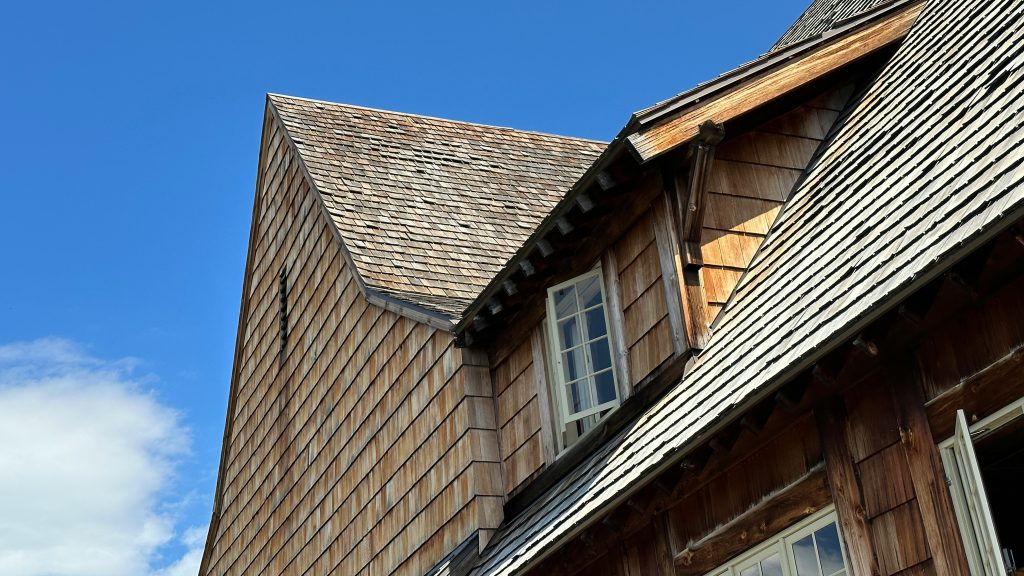
- Wood shakes or shingles
- Metal, such as copper, tin, or zinc
When these materials reach the end of their service life, simply swapping them with whatever is most affordable can compromise both the building’s appearance and its integrity.
Thoughtful material selection considers:
- Visual compatibility with the original roof
- Weight and its impact on the existing structure
- Resistance to local weather, from freeze-thaw cycles to high winds
- Long term maintenance needs
Modern technology also offers high quality alternatives that closely mimic traditional materials. Synthetic slate, composite shakes, and advanced metal systems can sometimes provide better durability and lower maintenance while preserving the look of the original design. The key is to evaluate options carefully and ensure they maintain the building’s historic character.
Structural Integrity: More Than Skin Deep
A roof is not just shingles or tiles. It is a system of rafters, sheathing, fasteners, flashing, and drainage that all work together. In historic buildings, these components may be decades or even centuries old. Before any historic roof replacement begins, the underlying structure must be thoroughly assessed.
Important questions include:
- Can the existing framing safely support the current or new roofing material?
- Are there signs of hidden rot, insect damage, or previous water intrusion?
- Do gutters, downspouts, and drainage paths function properly?
Sometimes, reinforcing or carefully repairing the structure is necessary before new roofing goes on. In other cases, switching to a lighter material reduces stress on aging timbers.
Historic projects often bring together structural engineers, preservation architects, and roof specialists. Their shared goal is a roof that looks authentic, sheds water reliably, and does not overload the building.
Blending Traditional Craft with Modern Methods
One of the most fascinating aspects of historic roof replacement is the dialogue between old and new. Traditional techniques, such as hand-cut slate, custom flashing, or intricate wood shingles, reflect craftsmanship that is rare today. Modern tools and methods can help support and refine that work.
Examples of this blend include:
- Using 3D scanning or precise digital measurements to document existing conditions
- Creating detailed models that guide custom fabrication of new components
- Applying modern underlayments and waterproofing systems beneath historically accurate finishes
The goal is not to erase the past but to respect it while upgrading performance where it does not alter the building’s character. A well executed project feels authentic from the street, yet benefits from contemporary knowledge about moisture control, insulation, and long term durability.
Challenges in Historic Roof Replacement
Navigating Rules, Codes, and Preservation Guidelines
Historic buildings are often protected by local, state, or national regulations. These rules exist for a good reason: they help prevent insensitive alterations that would erase important heritage. However, they can also make roof replacement more complex.
Common requirements may include:
- Obtaining approvals from preservation commissions or review boards
- Using specific materials or profiles to match original conditions
- Submitting detailed plans, samples, or mock ups before work begins
Balancing compliance with practical needs takes experience and patience. Working with professionals familiar with preservation guidelines can streamline the process and reduce the risk of delays or costly revisions.
Weather, Climate, and Environmental Pressures
Historic roofs have already endured many years of weather. Climate change is adding new challenges, from more intense storms to changing precipitation patterns. Materials that once performed well might now face harsher conditions.
Roof replacement planning should consider:
- Wind uplift and fastening requirements
- Ice dams or heavy snow loads in colder climates
- Exposure to salt air in coastal areas
- Increased heat and UV exposure in warmer regions
There is also the broader question of environmental impact. Owners and design teams are increasingly evaluating the carbon footprint of materials, their recyclability, and how long they are likely to last. Choosing durable, responsibly sourced materials supports both heritage conservation and environmental stewardship.
The Need for Skilled Craftspeople
Historic roof replacement depends on people who know how to work with materials and details that go beyond standard contemporary construction. Unfortunately, many of these skills have become rare.
Specialized artisans may be needed to:
- Lay and cut natural slate or clay tile
- Form and solder complex metal flashings and gutters
- Restore decorative elements such as finials, cresting, or ornate eaves
- Reproduce traditional carpentry and joinery techniques
Encouraging apprenticeships, training programs, and preservation focused trades education is essential. Without skilled craftspeople, it becomes much harder to preserve the authenticity and quality that make historic roofs special.
Looking Ahead: The Future of Historic Roof Restoration
Sustainability and Energy Performance
Sustainability is increasingly central to building decisions, and historic roof replacement is no exception. Owners and design teams are looking for ways to improve energy performance without compromising appearance.
Strategies might include:
- Upgrading insulation in roof assemblies where feasible
- Using high performance underlayments and vapor control layers
- Integrating discreet solar solutions in less visible areas
- Reusing or recycling existing materials where possible
Using reclaimed tile or slate, for example, can preserve authenticity while keeping materials out of landfills. Thoughtful historic roof replacement can align with both preservation and sustainability goals.
Technology as a Restoration Partner
Technology is transforming how we study and restore historic roofs. Tools such as drones, laser scanners, and advanced imaging allow detailed inspections without extensive scaffolding. Digital models make it easier to:
- Analyze complex roof geometries
- Plan drainage and flashing details
- Coordinate across design and construction teams
Material science continues to produce improved products that mimic traditional materials while performing better in modern conditions. When used carefully, these innovations can help historic buildings endure changing climates and demands.
Community Engagement and Shared Stewardship
Historic buildings do not exist in isolation. They are part of neighborhoods, towns, and cities that care about their presence. Increasingly, communities are playing an active role in preserving heritage through:
- Fundraising campaigns for restoration projects
- Volunteer support and advocacy
- Educational programs that highlight the history and value of local architecture
Digital storytelling, social media, and online tours help people connect emotionally with historic sites and understand why something like historic roof replacement matters. When residents see their contributions reflected in restored skylines and renewed landmarks, pride and engagement grow.
Conclusion
Historic roof replacement is far more than a technical task. It is a careful act of guardianship. Each decision, from material choice to detailing, shapes how a building will look and perform for generations.
By respecting original craftsmanship, embracing appropriate modern innovations, and involving skilled professionals and engaged communities, we can transform aging roofs into renewed crowns for our historic structures. In doing so, we protect not only the buildings themselves but the stories, identities, and shared histories that they shelter.