Plumbing problems often seem to come out of nowhere, but in many cases, they develop over time due to everyday habits. The good news is that small changes in how you use and maintain your plumbing system can go a long way in preventing costly repairs. By being proactive and mindful, homeowners can avoid major issues and keep everything running smoothly. For professional support and long-term solutions, resources like https://tt-ph.com/ can help guide you when problems arise.
One of the most important habits to adopt is being careful about what goes down your drains. Kitchen sinks are especially vulnerable to clogs caused by grease, oil, and food scraps. Instead of pouring grease down the drain, allow it to cool and dispose of it in the trash. Using a sink strainer can also catch debris before it enters your pipes. In bathrooms, hair and soap residue are common culprits of slow drains, so installing drain covers and cleaning them regularly can make a big difference.
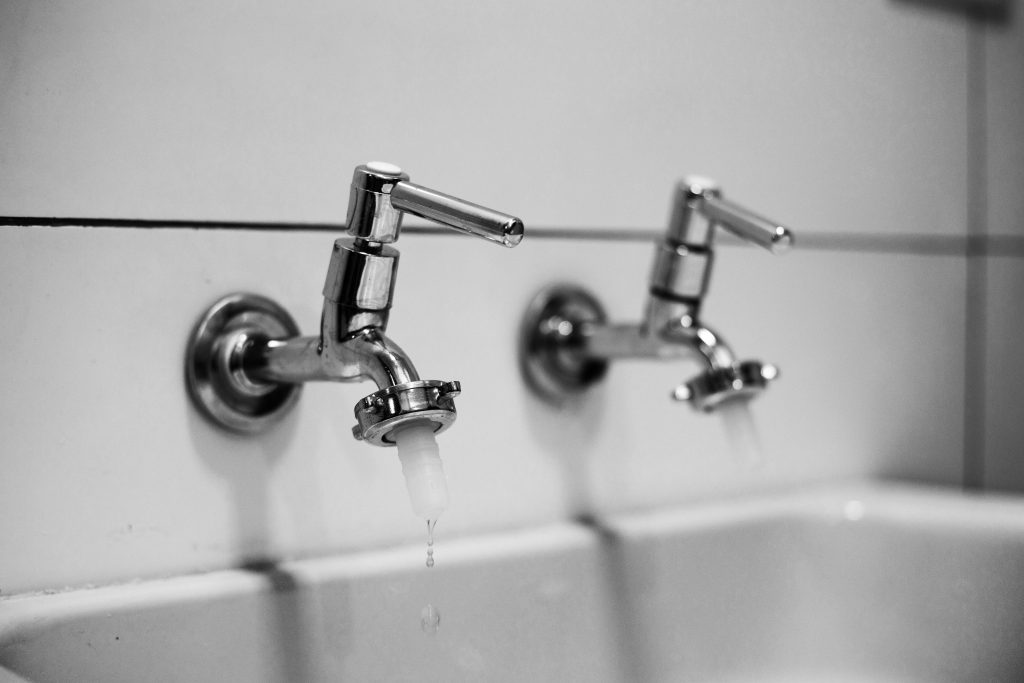
Another simple but effective habit is to address small leaks immediately. A dripping faucet or a minor pipe leak may not seem urgent, but over time, it can waste a significant amount of water and lead to larger issues like water damage or mold growth. Regularly checking under sinks, around toilets, and near appliances for signs of moisture can help you catch problems early before they escalate.
Monitoring your water pressure is also key to maintaining a healthy plumbing system. High water pressure can put excessive strain on pipes, joints, and fixtures, increasing the risk of leaks or bursts. If you notice unusually strong water flow, it may be worth installing a pressure regulator or having a professional check your system. Maintaining balanced water pressure helps extend the life of your plumbing components.
Being mindful of what you flush is another important habit. Toilets are designed to handle human waste and toilet paper only. Flushing items like wipes, paper towels, or hygiene products can lead to stubborn clogs and even damage your sewer line. Even products labeled as “flushable” can cause buildup over time, so it’s best to dispose of them in the trash.
Seasonal awareness also plays a role in preventing plumbing issues. During colder months, taking steps to protect your pipes from freezing can prevent major damage. Insulating exposed pipes, keeping your home heated, and allowing faucets to drip during extreme cold are all simple actions that can save you from dealing with burst pipes.
Regular maintenance is another habit that shouldn’t be overlooked. Scheduling routine inspections or drain cleanings can help identify potential issues before they become serious problems. Even if everything seems to be working fine, preventative maintenance provides peace of mind and can extend the life of your plumbing system.
Finally, knowing the location of your main water shut-off valve is essential. In the event of a sudden leak or burst pipe, being able to quickly turn off the water can minimize damage and reduce repair costs. Every homeowner should take a few minutes to locate this valve and ensure it is easily accessible.
Preventing major plumbing repairs doesn’t require complicated solutions—just consistent, simple habits. By paying attention to how you use your plumbing system and addressing small issues early, you can avoid costly emergencies and keep your home running efficiently year-round.