Many homeowners often try quick fixes to extend the life of their roof. But poor repairs can speed up decay and turn small issues into costly problems. This article covers top roof repair mistakes and how to protect your investment.
Ignoring Small Issues Until They Become Major Problems
The most common roofing error homeowners make is postponing roof repairs for minor issues. The loose shingle, a tiny leak, or small broken flashing may appear unimportant on the surface. These minuscule weak points, however, allow water to seep beneath the barrier. It can then cause rot, insulation loss, and damage to ceilings and walls. When the problem starts to show within the home, what was a simple, inexpensive repair has now become a complicated and costly restoration.
The problem with water damage is that it can spread beyond the source. A leak at or near the chimney can spread to areas well away from the visible leak. Quick solutions to these problems not only save money but also prevent structural issues that lead to early roof replacement. A homeowner who sees one shingle that has curled up after a storm, for instance, should not wait for the next rainy season to have an inspection. Small repair scopes and the overall health status of the roof system are maintained with early intervention.
Using Incompatible Materials and Improper Installation Techniques
Another expensive error is combining various types or brands of roofing materials during repairs. Shingles from different manufacturers can vary in thickness, color, and thermal expansion. Weak points may result from improper material combinations installed side by side, leading to uneven areas or water accumulation. The same applies to the choice of the wrong sealant type or fasteners, which can affect the roof’s wind uplift and thermal cycling performance. Such mismatches can result in product warranties being null and void and product failure.
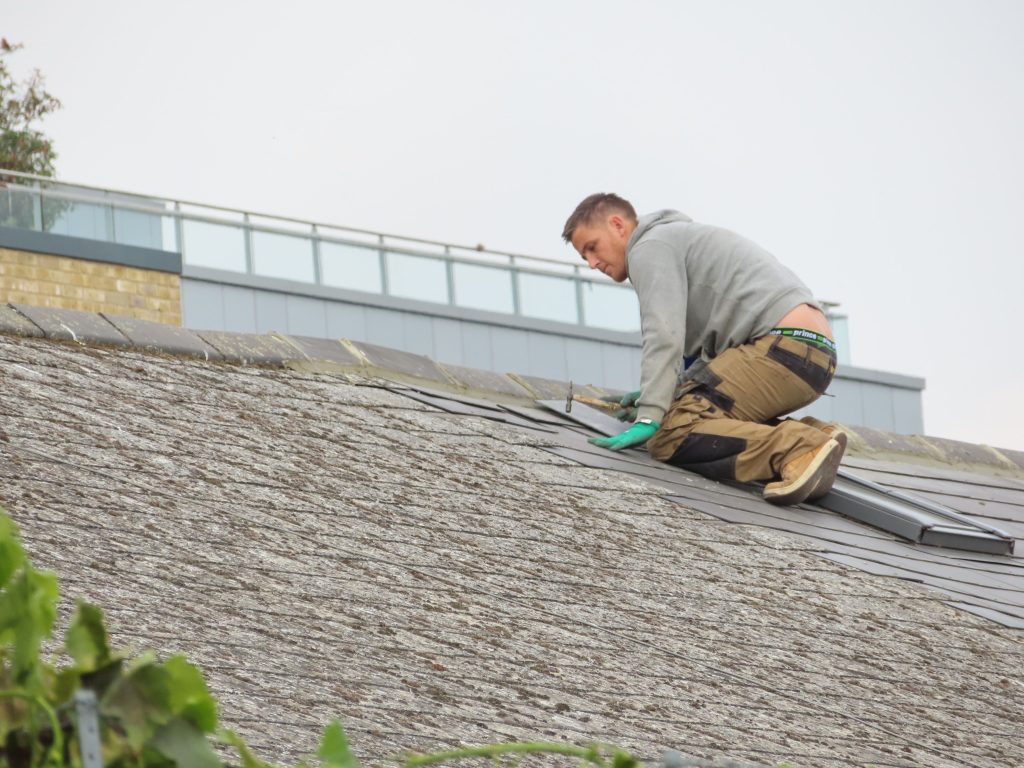
The same goes for improper installation technique. Driving nails too deep or too shallow can cause leaks and allow shingles to blow off. Overlapping underlayment incorrectly also creates openings for water intrusion. Installation of ice and water shields in valleys and eaves is also essential for waterproofing. Typically, these mistakes are committed by amateurs who try to make repairs on their own or by contractors who skimp on their work. A good roof repair company will always match materials exactly and adhere to the manufacturer’s installation instructions so that the repair will blend in perfectly and function properly over time.
Neglecting Proper Ventilation and Flashing Details
Roof ventilation is an important aspect of temperature and moisture control. But it is often ignored during maintenance. Homeowners incorrectly assume that sealing every gap enhances energy efficiency. However, adequate ventilation truly enables warm, moist air to exit the attic. This prevents moisture that can cause decking to decay. It likewise prevents shingles from deteriorating from below. Obstructing vents or failing to ensure balanced airflow may cause ice dams during winter. It may also lead to early deterioration of roofing materials during summer.
Another forgotten roof element is flashing. It’s the metal or rubber strip placed at junctions such as chimneys, vents, and roof valleys to prevent water from leaking into openings. A frequent error is either incorrectly fitting this material or failing to seal it properly against the roof surface. Improperly installed flashing or leaving old, rusted flashing during repair creates a direct route for water to penetrate the house, resulting in significant interior damage over time. With proper attention to ventilation and flashing, your roof can perform as a complete system and last a long time.
Endnote
Preserving your roof requires understanding the whole roofing system. Avoid overlaying materials, ensure proper ventilation, and install flashing correctly. By prioritizing proper installation and maintenance, your roof protects your home for decades and prevents avoidable repairs.